

SWAN 2025: Advancing Sex Workers’ Rights in Central and Eastern Europe and Central Asia
In 2025, the Sex Workers’ Rights Advocacy Network (SWAN) continued to serve as a shared voice for sex worker-led organizations across Central and Eastern Europe and Central Asia (CEECA), helping bring common priorities and challenges to the forefront. The year presented significant challenges, including shrinking civic space, restrictive laws, and cuts in international funding, but it also marked important achievements in advocacy, partnership building, and community empowerment.
A Complex Landscape in the CEECA Region
Sex workers and the organizations supporting them continue to face multi-layered discrimination and legal barriers throughout the region. Countries such as Hungary, Russia, Kyrgyzstan, Georgia, Tajikistan, and Kazakhstan have introduced or expanded “foreign agent” and anti-NGO laws, restricting foreign funding and labeling human rights organizations as threats to national security. These laws impose invasive audits, require public disclosure of funding, and carry potential criminal penalties, creating a climate of fear that undermines freedom of association and assembly.
International funding for sex worker-led organizations remains disproportionately low, accounting for only a fraction of total human rights or LGBTQΙ+ funding. Cuts from major donors such as the Robert Carr Fund, the Global Fund, and the Open Society Foundation have forced organizations to scale back vital services, including psychosocial support, legal aid, advocacy, education, and harm reduction programs, while having to adapt programs to meet donor priorities rather than the actual needs of their communities.
Global Advocacy and Policy Engagement
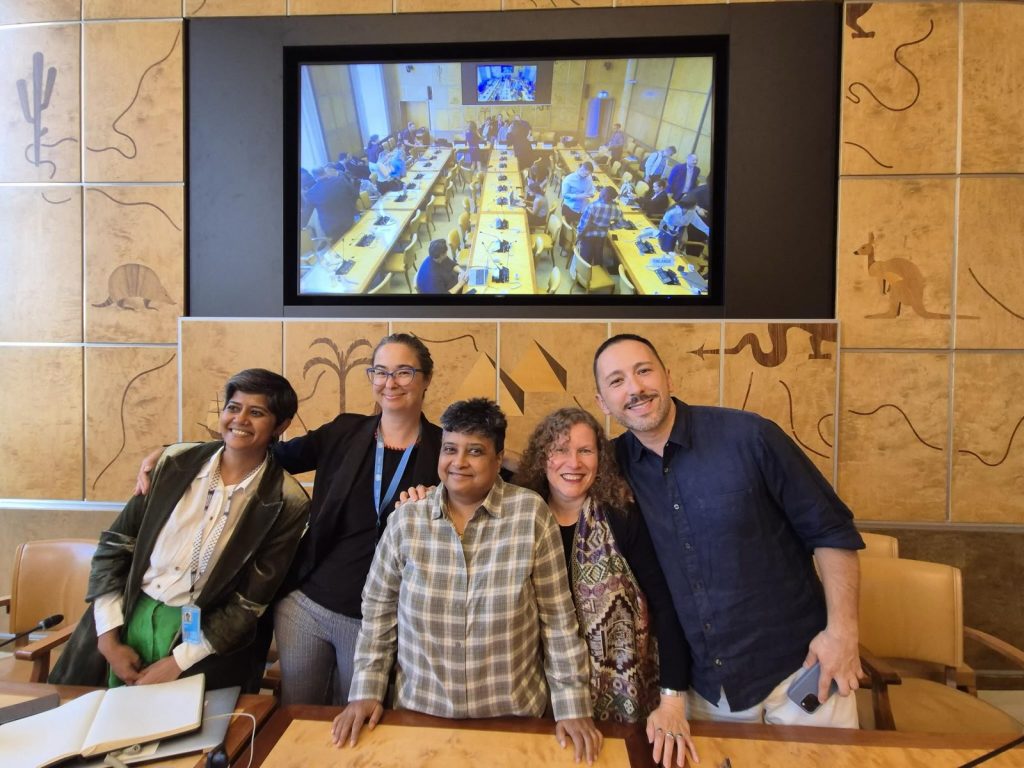
SWAN maintained an active presence at the United Nations Human Rights Council (HRC) throughout 2025.
“For sex workers, especially from countries with strict political environments / foreign agent laws (regions like Eastern Europe and Central Asia) where legal remedies are often unavailable, and justice systems are deeply politicised, participating in HRC processes is not just symbolic. It is a critical tool of visibility, resistance, and learning.
Through this engagement, sex workers become more aware of how to use international mechanisms to document rights violations, raise community voices, and put pressure on states — even when local systems are closed or hostile.”
– Trajche Janushev, SWAN Executive Director
The network contributed to the 80th thematic report on freedom of assembly and association, highlighting the immediate impacts of restrictive laws and shrinking funding on sex worker-led organizations. SWAN also submitted input to the 2026 thematic report on gender equality, digital space, and artificial intelligence, emphasizing how emerging technologies disproportionately affect women, transgender, and gender-diverse sex workers.
Through interventions, submissions, and participation in side events, SWAN amplified sex workers’ voices and expertise on the international stage. The organization also engaged in broader advocacy initiatives, including International Safe Abortion Day, and participated in discussions on digital rights, online safety, and sexual and reproductive health and rights (SRHR).
Partnerships and Regional Solidarity
In 2025, SWAN strengthened collaborations with regional and international partners. Joint initiatives with the Sexual Rights Initiative (SRI) and the Member Associations of the International Planned Parenthood Federation’s European Network (IPPF EN Member Associations) focused on improving access to SRHR for sex workers. Collaboration with EHRA and ECOM through the Resilient Project enhanced capacity building and strengthened the resilience of sex worker-led organizations in the face of shrinking civic space.
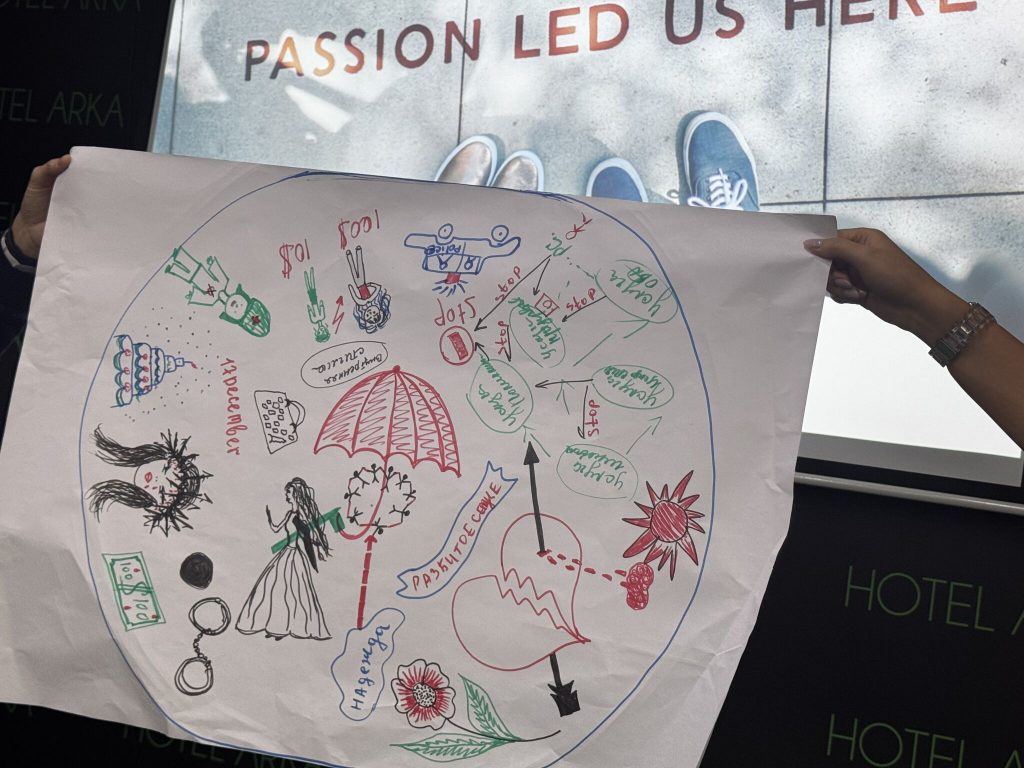
These partnerships advanced intersectional advocacy, connecting sex worker rights with broader agendas including LGBTQI+ rights, migrant rights, and gender equality, fostering a stronger and united front against repression and stigma.
SWAN Secretariat: Staff and Volunteers
SWAN welcomed two new staff members. Luiza Vardanyan as Advocacy & Policy Officer brought extensive experience in law and human rights, with previous roles at national and regional human rights organizations.
Wszebor Sienkiewicz joined as Media and Communications Officer. Wszebor is a creative activist with a background in visual arts and media design, with ten years of experience in communicating for social change.
The network also started a volunteer program, designed to nurture new leaders and foster solidarity across the movements. Volunteers contribute a wide range of skills, from legal and human rights expertise to communications, research, and advocacy, supporting campaigns, policy initiatives, and community programs. In 2025, SWAN welcomed several dedicated activists: Alex Shah, Miranda Gkanetsou, Engin Erisken, Pedro Ivo Oliveira and Maxime Thebaud.
Management and Governance
The annual Management Committee meeting in Vienna allowed SWAN to evaluate regional developments, adopt new organizational policies, including Conflict of Interest, Equality, Human Resources, and Financial Management policies, and set strategic priorities for the coming year. These measures enhanced transparency, accountability, and operational resilience.
Risk Assessment and Security Measures
In collaboration with Front Line Defenders, SWAN conducted comprehensive risk assessments addressing the threats posed by the anti-NGO bill in Hungary, the shrinking of civic space, and the funding landscape. Special attention was given to the implications of Hungary’s proposed anti-NGO bill and related regulatory pressures, given that SWAN is currently registered in Budapest. This process resulted in a detailed Risk Assessment and Protection Plan outlining key vulnerabilities and corresponding mitigation strategies.
Looking Ahead
Despite increasing difficulties in the political landscape, SWAN not only does not give up, but continues to grow.
SWAN will launch a new regional programme, Sustainable Health, Inclusion, and Futures for Transformation (SHIFT), focused on strengthening the legal empowerment and economic resilience of sex workers across the CEECA region. The programme will include regional and national legal-literacy trainings, community-led advocacy initiatives, and the development of practical tools and guidance for values-based social enterprises led by sex worker organizations. Through sub-grants, mentoring, and cross-country exchange, SHIFT aims to support long-term sustainability, safety, and economic autonomy of sex worker-led movements.
We are also recruiting new staff members: Capacity Building Programme Officer and Policy and Advocacy Officer. Please share the open calls with your networks!
Stay tuned! Follow us on social media or sign up to the developing newsletter.