Video from the SZEXE’s 15th Anniversary Celebration
Below you can find the trasncript of the video in English:
Ágnes Földi, Director, Association of Hungarian Sex Workers

Below you can find the trasncript of the video in English:
Ágnes Földi, Director, Association of Hungarian Sex Workers
Recently, Ukrainian and Russian media have once again started discussing sex work related issues in Ukraine due to the fact that the MP from the “Self-Help” party Andrey Nemirovskiy registered a draft law “On regulation prostitution and sex establishments’ activity” (№3139) in the Supreme Council of Ukraine. This law has caused a great resonance in society, and caused a debate on legalization of sex work in Ukraine.

The topics of the training were “Prevention of HIV and STIs among Sex Workers” and “Fundamentals of Counseling and a Non-medical service”. During the training the participants were learning to carry out Pre-test and After-test counseling, to motivate project’s customers to become project’s partners, to prevent HIV infection and STIs taking into account specifics of sex workers as people with increased risk of getting infected. The participants of the training were doctors, psychologists, sex workers, lawyers, social workers (including representatives of governmental agencies).
This publication is about sex workers’ experiences of state and non-state violence, and hindered attempts to access justice in Central and Eastern Europe and Central Asia.
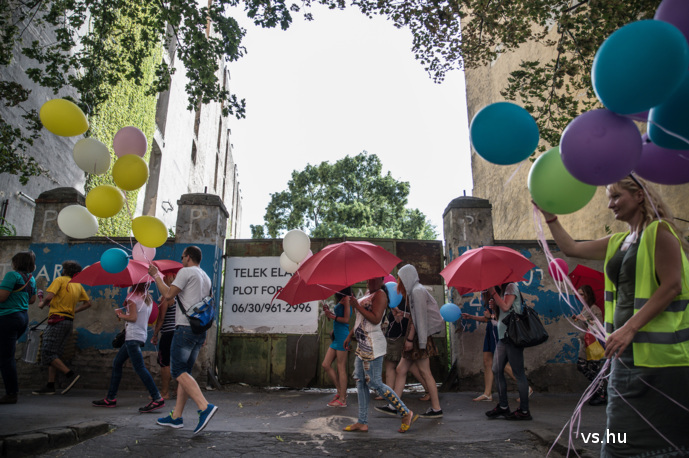
The main goal of the event was to remind the local government of the 8th district of Budapest that is the main contributor to the law on tolerance zones for sex workers, as well as to remind the general public that although the local governments are required by the law to designate tolerance zones in their areas, they omit to do so, therefore thousands of sex workers are left in a legally vulnerable position.
The march
In this booklet you can find among others:
– different models of human rights documenting;
– tips on interviewing victim or witness of human rights violation;
– tips for writing Human Rights Submissions and Letters;
– how to report sex-workers’ rights abuses through UN Special Procedures;
– helpful links for Human Rights Submissions;
– useful contacts of Human Rights Groups;
– some more useful info for your documenting and advocacy work;
While service provision is rather aimed at the prevention of HIV and epidemic reduction among sex workers, sex workers community establishment is aimed at project sustainability after its end and peer-to-peer service provision to a wider range of sex workers, which in its turn will have a positive impact on epidemic reduction among sex workers in the future.
The Association of Hungarian Sex Workers (SZEXE) was founded in 2000 by sex workers and allies in order to step up together for the human rights of sex workers and improve their social and health situation. Since the very beginning, our partners, sex worker colleagues and the community have been relentlessly working to erase discrimination and violence from sex workers’ everyday experiences. In doing so, they resisted all attempts that aimed to exclude, exploit and stigmatize sex workers.
This booklet is aimed at sex workers, sex worker groups, organizations working with sex workers, women’s groups, drug users’ groups, LGBT groups, human rights organizations and other allies who want to know more about advancing recognition for sex workers’ rights through the United Nations human rights bodies, and in particular, through the Committee on the Convention for the Elimination of Discrimination Against Women (CEDAW). We are sharing our experiences in the hope that it proves as helpful as learning from others’ experiences was to us.
The raid took place on #blacktransliberationTuesday, and less than a week after leading US LGBT advocacy organizations announced support for Amnesty International’s recent stance on the decriminalization of sex work, a vote that happened the week before.